
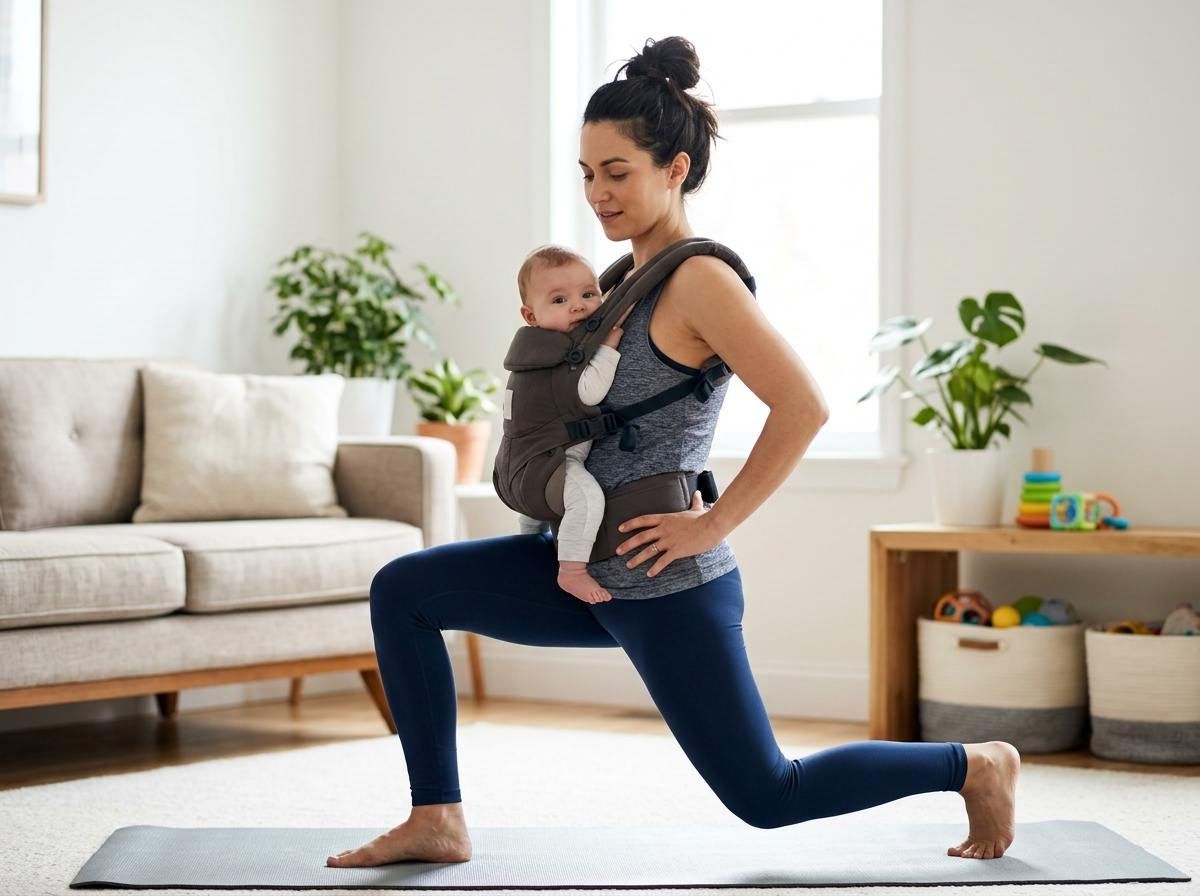
Welcoming a new baby is an incredible journey, and as you navigate the beautiful chaos of motherhood, your body is also undergoing its own profound recovery. At Post-PINK, we believe in nurturing this journey with understanding and empowerment. When it comes to returning to exercise, especially high-impact activities like jumping, it's essential to approach it with patience and awareness. Let's explore why listening to your postpartum body is key, particularly when considering those higher-intensity movements.
Understanding Your Postpartum Body's Foundation
After childbirth, your body has undergone significant changes that impact its readiness for high-impact activities. Key areas like your pelvic floor, abdominal muscles (especially concerning diastasis recti), and core stability have been stretched and weakened. Hormonal shifts, particularly the presence of relaxin for several months postpartum, can also affect joint laxity, making you more susceptible to injury. These physiological changes mean that movements once considered normal or easy now require extra care and a strategic approach to rebuilding strength from the inside out.
The Risks of Jumping Too Soon
High-impact movements, like jumping, running, or burpees, exert significant downward pressure and jarring forces on your recovering core and pelvic floor. Engaging in these activities too soon can exacerbate common postpartum challenges such as:
Pelvic Floor Dysfunction: This can manifest as stress urinary incontinence (leaking when you cough, sneeze, or jump), pelvic organ prolapse, or pelvic pain.
Diastasis Recti: The separation of the abdominal muscles can worsen if the core isn't properly rehabilitated and ready to handle the increased intra-abdominal pressure from high-impact movements.
Joint Pain: With ligaments still more relaxed due to hormonal changes, joints may be less stable, making them more vulnerable to injury under repetitive high-impact stress.
It's not about avoiding these activities forever, but rather respecting your body's healing timeline and re-introducing them safely when your core and pelvic floor have regained sufficient strength and coordination.
Embracing the Power of Low-Impact Movement
The good news is that there are countless effective and joyful ways to rebuild strength and fitness without the jolt of jumping. Low-impact exercises allow you to work your cardiovascular system and muscles while minimizing stress on your joints and pelvic floor. Consider activities such as:
Walking and Hiking: Excellent for cardiovascular health and building endurance without impact.
Cycling (Stationary or Outdoor): Provides a great cardio workout and strengthens leg muscles.
Swimming and Water Aerobics: The buoyancy of water offers a supportive environment, reducing impact while providing resistance.
Yoga and Pilates: Fantastic for core strength, flexibility, balance, and mind-body connection, with modifications for postpartum bodies.
Strength Training with Controlled Movements: Focus on compound exercises with proper form, using weights or bodyweight, ensuring your core is engaged and supported.
These options empower you to safely reconnect with your strength and energy, laying a solid foundation for future, more dynamic movements.
Moving Forward with Strength and Wisdom
Remember, every postpartum journey is unique, and prioritizing your body's healing is a powerful act of self-care. Exploring resources that offer tailored guidance for your recovery can make all the difference, empowering you to move forward safely and confidently. At Post-PINK, we're dedicated to supporting you through every step of this amazing transformation, helping you build strength and embrace movement in a way that truly honors your incredible body. Learn more about personalized postpartum fitness strategies to guide your return to activity.